What China Taught Me About the Textile Industry
Introduction
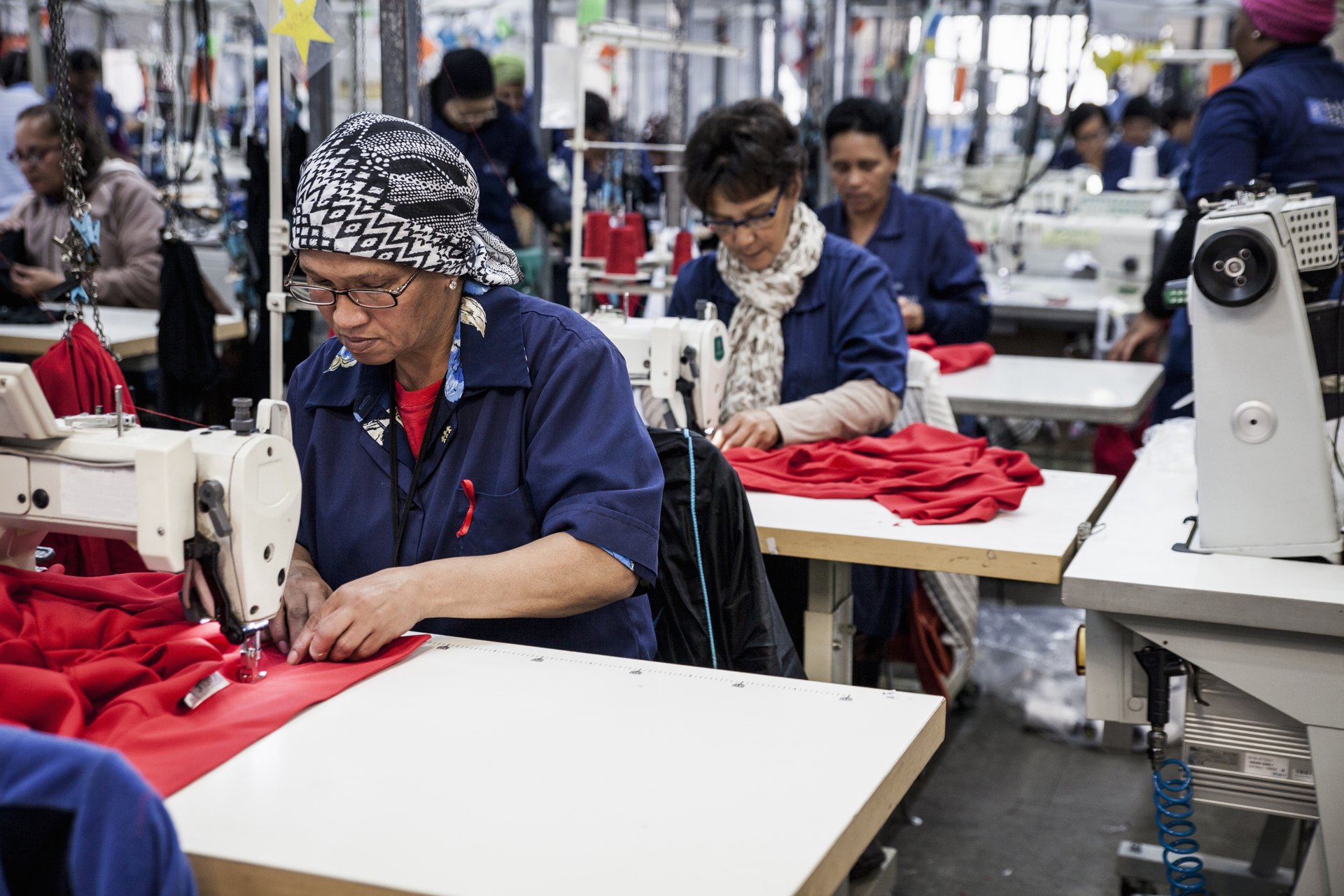
When I first arrived in Shaoxing, I expected to see large factories and advanced machines. What I saw was far more than that — I saw an integrated system, a deeply rooted industrial culture, and a way of thinking that treats manufacturing as a long-term project rather than a narrow production activity.
In that environment, factories were not simply large buildings; they were part of a precise ecosystem built on specialization, discipline, planning, speed, and continuous improvement.
Strong industry is not built by machines alone, but by a culture that respects time, values specialization, and treats quality as a rule rather than an exception.
Shaoxing as an Industrial School
Shaoxing is not just another manufacturing city. It is widely regarded as an unofficial capital of upholstery and decorative fabric production. Thousands of specialized factories, tens of thousands of technicians and engineers, and integrated supply chains produce everything from raw yarn to export-ready finished goods.
This concentration created an extraordinary learning environment. Every stage of production can be monitored, measured, and improved, and every part of the process operates within a clear industrial logic that leaves little room for disorder or improvised management.
Discipline, Specialization, and Investment in Technology
The first lesson I learned there was that discipline is not a theoretical value; it is part of everyday performance. Timelines are respected, delivery precision is non-negotiable, and quality standards are treated not as a luxury but as a condition for continuity.
The second lesson was the value of deep specialization. Each factory focuses on a specific fabric category or on a particular stage of production, and that specialization is what makes it possible to reach a level of quality that is difficult to match in fragmented environments.
Technology as a Competitive Advantage
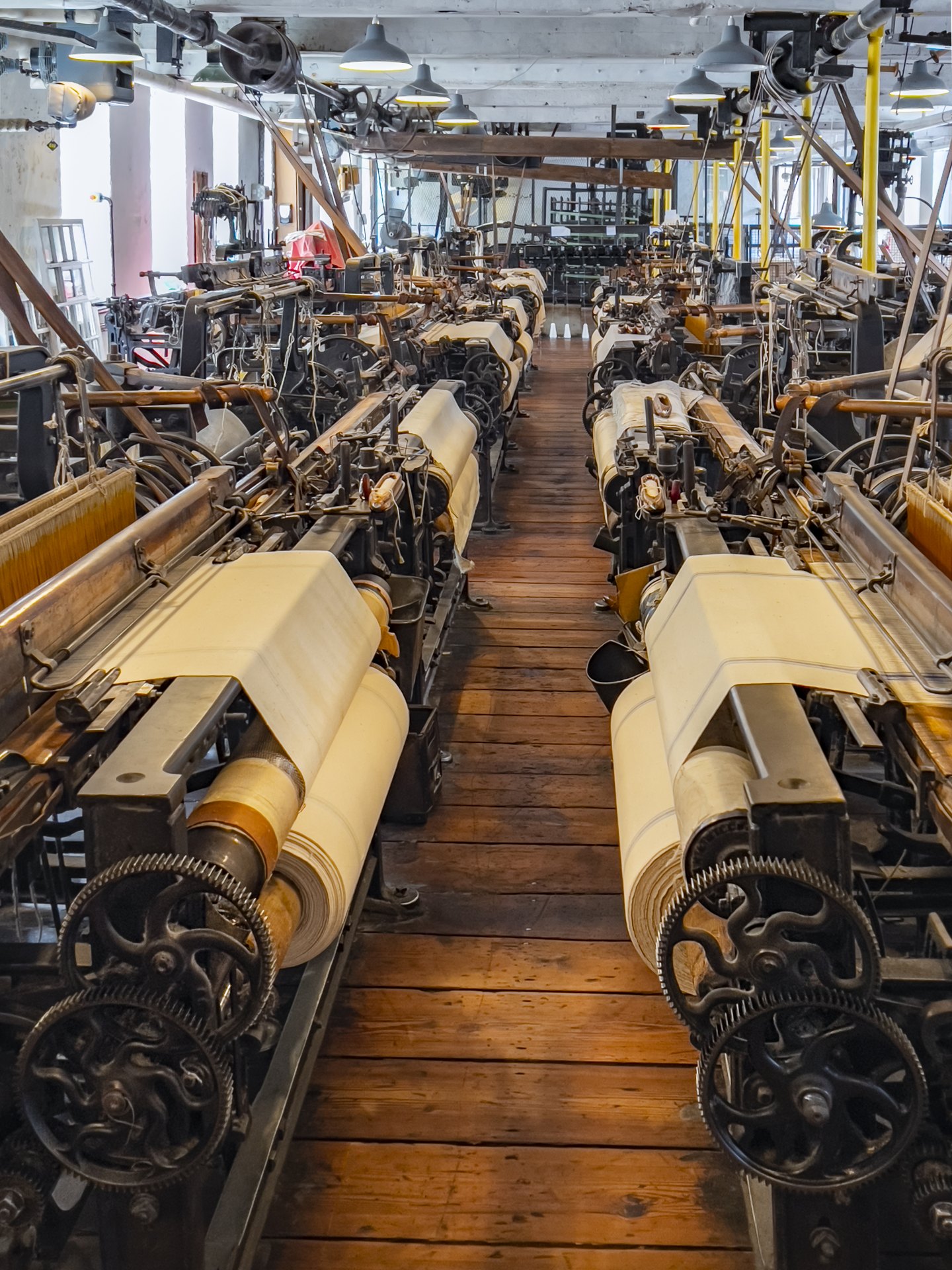
The third lesson was the courage to invest in technology. Chinese factories do not see technology merely as an extra cost; they see it as a tool to reduce waste, improve efficiency, control quality, and strengthen competitiveness over the long term.
Through this experience, it became clear that combining Arab artisanal sensibility with Chinese industrial efficiency creates a powerful formula for products capable of competing in multiple markets around the world.
What China Taught Me
- Discipline transforms ambition into measurable results.
- Deep specialization creates quality that is hard to imitate.
- Continuous investment in technology is part of survival, not a luxury.
Conclusion
China did not only teach me how factories are managed; it taught me how industrial culture is built — the kind of culture that makes a factory more efficient, more reliable, and more globally competitive. These lessons are not limited to textiles alone, but apply to every project that aims to move from local activity to international relevance.
That is why the true value of the Chinese experience lies not only in production scale, but in the philosophy behind it: specialization, discipline, and constant renewal.